Tactical Vest Accessories: Beyond the Basics
Tactical Vest Accessories: Beyond the Basics
Your plate carrier is just a platform. The accessories you mount to it determine whether you’re carrying a heavy, disorganized mess or a streamlined, mission-capable system. I’ve seen too many setups fail because someone prioritized “looking cool” over functional layout. The right pouch in the right place can shave seconds off a reload or magazine change, and in a defensive scenario, that’s everything.
Magazine Pouches: Retention vs. Speed
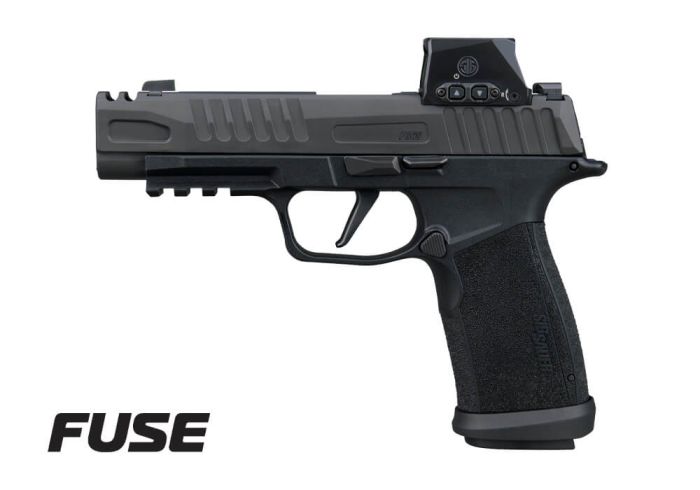
Choosing a magazine pouch isn’t just about color. You’re deciding between retention and speed, and the correct choice depends on your primary weapon and role. For an AR-15, kydex inserts like those from Esstac provide a perfect balance; you get a positive “click” on insertion and a clean, fast draw. For heavier .308 PMAGs, you’ll want bungee or flap retention to prevent loss during movement. For pistol mags, consider orientation. Vertical pouches are standard, but canted or horizontal pouches, like the HSGI Taco, can improve access and reduce bulk, especially when paired with a compact sidearm like the SIG Sauer P365 FUSE Comp. At Lloydtacticalarms, we stock pouches configured for everything from 5.56 to 7.62 NATO.
IFAK Placement and Contents
Your Individual First Aid Kit is non-negotiable, but strapping it to the small of your back is a rookie mistake. You can’t self-aid what you can’t reach. The dominant placement is on the front of the cummerbund or the lower front panel, where either hand can access it. Your IFAK should be dedicated to massive hemorrhage control: a CAT Gen 7 tourniquet, hemostatic gauze, a chest seal, and shears. Keep it in a dedicated pouch like the Blue Force Gear Micro Trauma Kit NOW! that’s designed for one-handed access. Don’t mix medical with admin gear. A well-placed IFAK is more critical than an extra magazine.
Hydration Systems and Utility Pouches
Dehydration degrades performance faster than anything except blood loss. A 3-liter hydration bladder in a rear pouch is standard, but ensure the hose is routed over your non-firing shoulder to avoid interference. For shorter ops, a canteen or Nalgene in a utility pouch on your weak side works. That same utility pouch is where your mission-specific gear lives: multi-tool, chem lights, notebook, or breaching equipment. The key is modularity. Use MOLLE/PALS-compatible pouches with removable inserts so you can reconfigure for a range day versus a training course. A general-purpose pouch can also securely hold a compact optics-ready pistol like the Springfield Armory XD Mod.4 if you need to quickly stow your sidearm.
Communications and Specialty Carriers
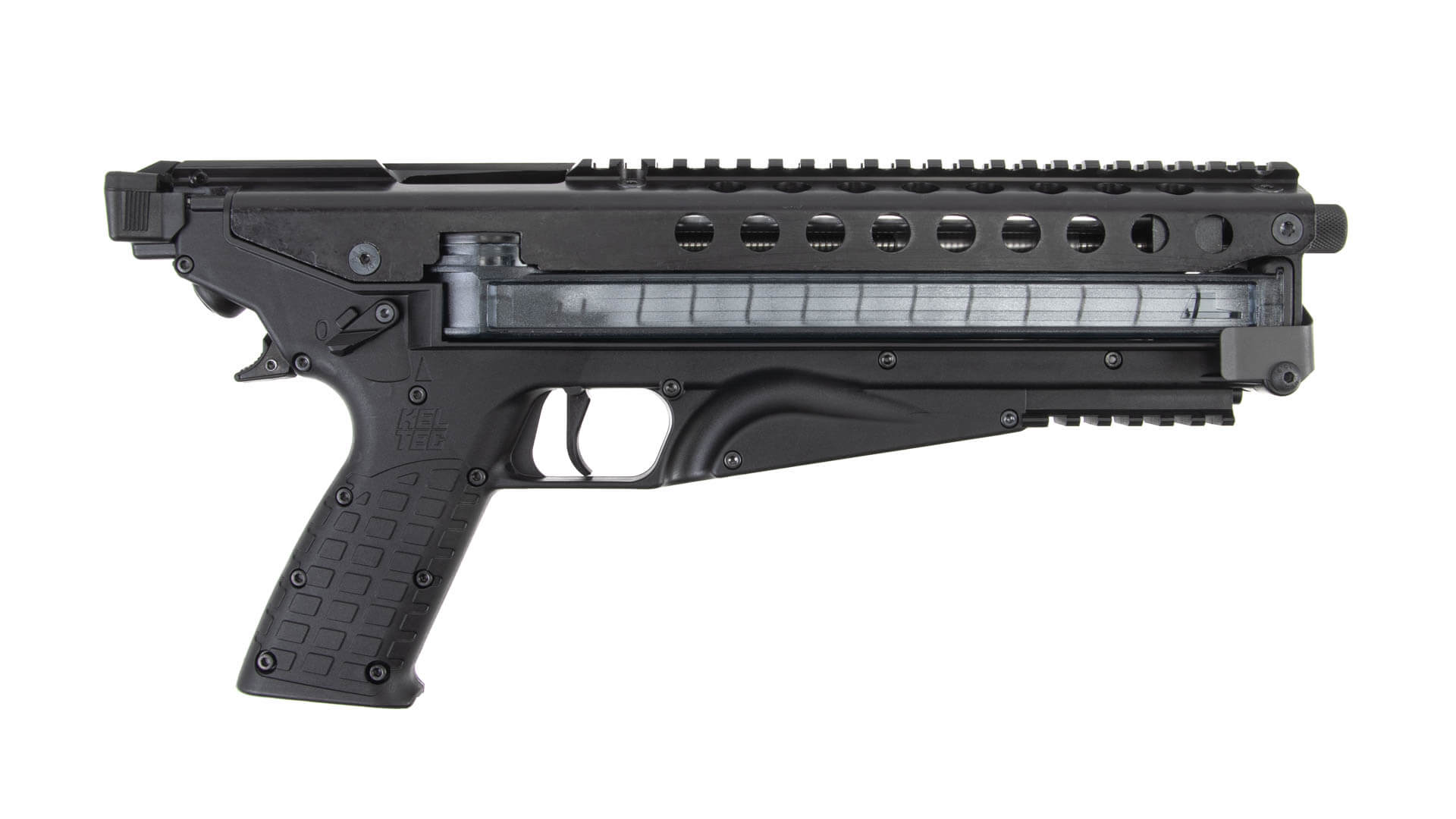
If you’re running comms, you need a dedicated pouch for your radio—typically on your non-firing side cummerbund. The pouch should protect the radio but allow access to the knobs. Route the cable for your headset under your vest and secure it with retainers to prevent snagging. For specialty roles, your accessories change entirely. A breacher needs a dedicated shotgun shell card and a pouch for tools. A marksman might add a rangefinder pouch and a spotter’s data book. The accessory ecosystem for a unique platform like the KelTec KP50 in 5.7x28mm is still evolving, but the principle remains: mount only what you need for the task at hand. Lloydtacticalarms supports these builds with a wide selection of MOLLE-compatible gear.
Final Fit and Balance Check
Before you consider your vest “done,” you must do a fit and balance check. Load all your accessories—mags, IFAK, water, radio—and secure the vest. Move. Go prone, sprint in place, shoulder your rifle from your rifle collection. Does the vest shift? Does a pouch dig into your ribs when you bend? Is the weight balanced, or are you being pulled backward? Rear-heavy vests cause fatigue and poor posture. Distribute weight to the sides and front. This process isn’t a one-time event. Every time you change a major component, like switching from 5.56 mags to .308, you need to reassess the entire setup’s balance and accessibility.
What’s the best way to attach a pistol holster to a vest?
Use a dedicated drop-leg platform or a belt-mounted holster. Directly MOLLE-mounting a holster to the vest front is generally a poor choice—it interferes with going prone, accessing other pouches, and presenting the pistol cleanly. For a secure secondary retention system, a Safariland QLS fork mounted to a belt or leg platform is the professional standard.
How many rifle magazines should I carry on my vest?
Six is a common baseline: three across the front and three on the weak-side cummerbund. This gives you a combat load of 180 rounds (with 30-round PMAGs) plus one in the rifle. Your exact count should be mission-driven. For a defensive scenario, this is often sufficient. For sustained training or competition, you may add more, but always prioritize mobility and weight distribution over sheer capacity.
Can I use Velcro (Hook-and-Loop) panels for accessories?
Yes, but with caution. Velcro-backed panels (like those for morale patches or admin pouches) are great for low-profile, lightweight items. However, never rely on Velcro alone for critical, heavy, or life-saving equipment like magazine pouches or your IFAK. These must be secured with MOLLE/PALS webbing or malice clips for positive retention under stress and movement.
Browse our tactical gear collection
Last updated: March 27, 2026