Kentucky deer season 2026-27 and the rifles that fit it
Kentucky's whitetail herd is one of the best-managed in the country, and the state sells the seasons to match it: a long archery season, two muzzleloader windows and a sixteen-day modern gun season that covers the tail of the rut and Thanksgiving week. Here are the 2026-27 dates from Kentucky Fish and Wildlife, how the zones work and what to carry.
The 2026-27 dates
Archery runs September 5, 2026 through January 18, 2027. Crossbow runs September 19, 2026 through January 18, 2027. Youth-only firearms is October 10-18, 2026. Early muzzleloader is October 17-18, 2026 and late muzzleloader is December 12-20, 2026. Modern firearms season is November 14-29, 2026. The free youth weekend is December 26-27, 2026, and a CWD zone antlerless season runs September 25-28, 2026 for Zone 1 through 3 counties inside the CWD Surveillance Zone. Seasons on wildlife management areas and other public land can differ from the statewide dates, so read the area's own rules before you go.
The four zones
Regulation 301 KAR 2:172 sorts all 120 counties into four deer zones by herd density, and the zone sets how many antlerless deer you may take and with what. Zone 1 covers most of the western and north-central farm counties, including Jefferson, Bullitt, Nelson, Hardin, Scott, Franklin, Boone, Kenton, Christian, Hopkins, Henderson, McCracken and Calloway. Zone 2 takes in Fayette, Warren, Madison, Daviess, Jessamine, Boyd and much of the middle of the state. Zone 3 includes Pulaski, Laurel, Wayne, Rowan and their neighbours, and Zone 4 covers the eastern mountain counties such as Pike, Harlan, Whitley and McCreary, where the limit is smallest. Only one antlered deer may be taken statewide in a licence year, no matter the zone, method or season.
Twenty-three counties sit in the CWD Surveillance Zone, among them Ballard, Breckinridge, Calloway, Carlisle, Casey, Fulton, Graves, Hardin, Henderson, Hickman, Laurel, Lincoln, Marshall, McCreary, McCracken, Meade, Pulaski, Rockcastle, Russell, Union, Wayne, Webster and Whitley. Those counties carry extra testing and carcass-transport rules that have included mandatory check-in during the opening days of modern gun season. Check the current requirements before you move a deer out of one of them.
What is legal
During modern gun season you may use centerfire rifles and centerfire handguns of any cartridge, shotguns firing a single slug, muzzleloaders, and air guns of .35 caliber or larger, along with bows and crossbows. There is no straight-wall cartridge rule in Kentucky and no statewide shotgun-only county, which sets it apart from Indiana and Ohio across the river. Hunter orange is required during firearm seasons: a solid, unbroken hunter orange colour visible from all sides, worn by hunters and by anyone with them. Electronic calling devices are not allowed for deer.
Rifles that fit Kentucky
Kentucky shooting is not long-range work. A crop edge in Christian or Henderson County might give you 250 yards, a hollow in Pike or Laurel County might give you 60, and most deer fall well inside 200. That opens the field to almost any common deer cartridge.
The .243 Winchester is the classic starter and still an excellent choice for a young hunter or anyone who hates recoil, with plenty of bullet for a Kentucky whitetail. The 6.5 Creedmoor has taken over the middle ground for good reason: mild recoil, superb factory ammunition and flat enough for any shot the state offers. The .270 Winchester and 7mm-08 remain outstanding all-round choices, and the .308 Winchester and .30-06 Springfield give you the heaviest bullets and the widest ammunition selection in any small-town store on a Saturday morning.
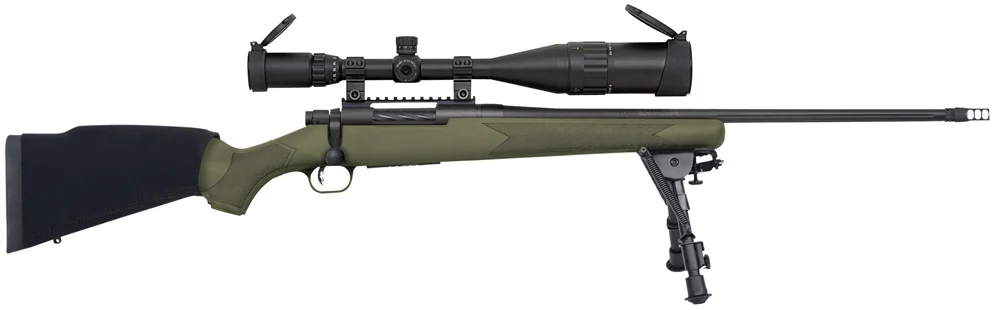
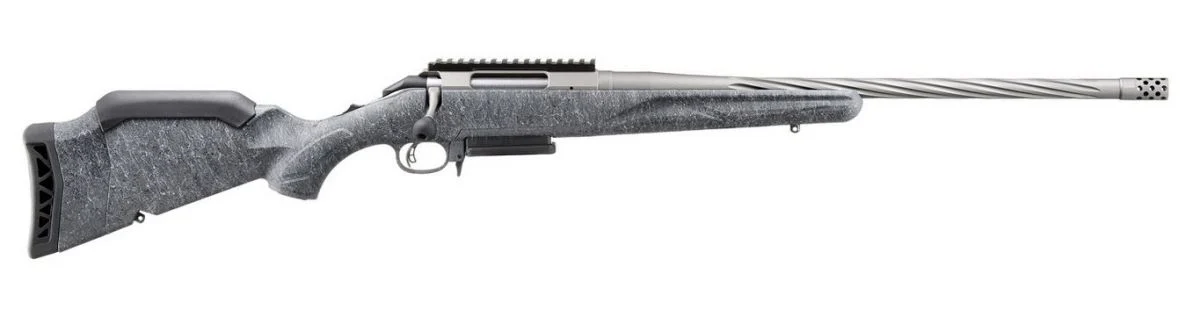
For bolt guns, a Ruger American Gen II, a Savage 110 or Axis II, a Tikka T3x or a Browning X-Bolt covers the range from a first rifle to something you will hand down. Wood and blued steel still look right in a Kentucky deer camp, but a synthetic stock and a Cerakote barrel take the November rain better.
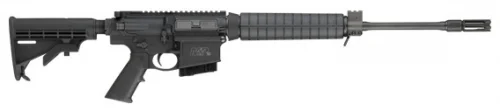
Plenty of Kentucky hunters now carry an AR-pattern rifle instead. In the eastern counties a gas-operated .308 or 6.5 Creedmoor AR-10 is fast for a follow-up shot on a steep bench, and a 6.5 Grendel or .350 Legend upper on a standard AR-15 lower is legal here and more than enough inside 200 yards. Our AR guide goes through barrels, triggers and optics in more detail.
Muzzleloaders, slug guns and licences
The two muzzleloader windows are worth taking seriously, because October 17-18 falls before the woods get crowded and December 12-20 catches deer back on food after the gun season. A .50 caliber inline with a 250 to 300 grain sabot or conical is the standard rig, and a 1.5-5x or fixed 3x scope suits the ranges. Slug guns still make sense on small farms and where neighbours are close: a rifled-barrel 12-gauge with a sabot slug is deadly to 150 yards and quieter on the landowner's nerves than a magnum rifle.
Residents aged 12 to 64 need an annual hunting licence plus a statewide deer permit, and hunters 65 and over or with a qualifying disability can buy a reduced-cost licence. Deer must be reported through Telecheck, and every county has its own code for the call. Buy the licence before opening morning rather than in the truck at daylight.
Optics, ammunition and sighting in
A 3-9x40 or 2.5-10x42 scope handles Kentucky deer hunting completely. Low-light performance matters more than magnification here, because the timber is thick and legal light runs out fast in a hollow. Pick a bonded or monolithic bullet in the 100 to 165 grain range for your cartridge and then shoot enough of it to trust it.
Sight in before the opener at a public range: Otter Creek in Meade County, Taylorsville Lake in Spencer County, the new twenty-lane range at Veterans Memorial in Scott County, Miller Welch-Central Kentucky in Madison County, West Kentucky in McCracken County or the Daniel Boone National Forest ranges at Keno, Appletree, Whitman Branch and Clear Creek. Department ranges need a shooting range permit, free with a current annual hunting or fishing licence. Browse rifles in the catalog, find your town on the city index, or read the state law guide before you buy.
General information, not legal advice. Current as of September 2026. Laws change; check the official source before you act.